Address
304 North Cardinal
St. Dorchester Center, MA 02124
Work Hours
Monday to Friday: 7AM - 7PM
Weekend: 10AM - 5PM
Address
304 North Cardinal
St. Dorchester Center, MA 02124
Work Hours
Monday to Friday: 7AM - 7PM
Weekend: 10AM - 5PM
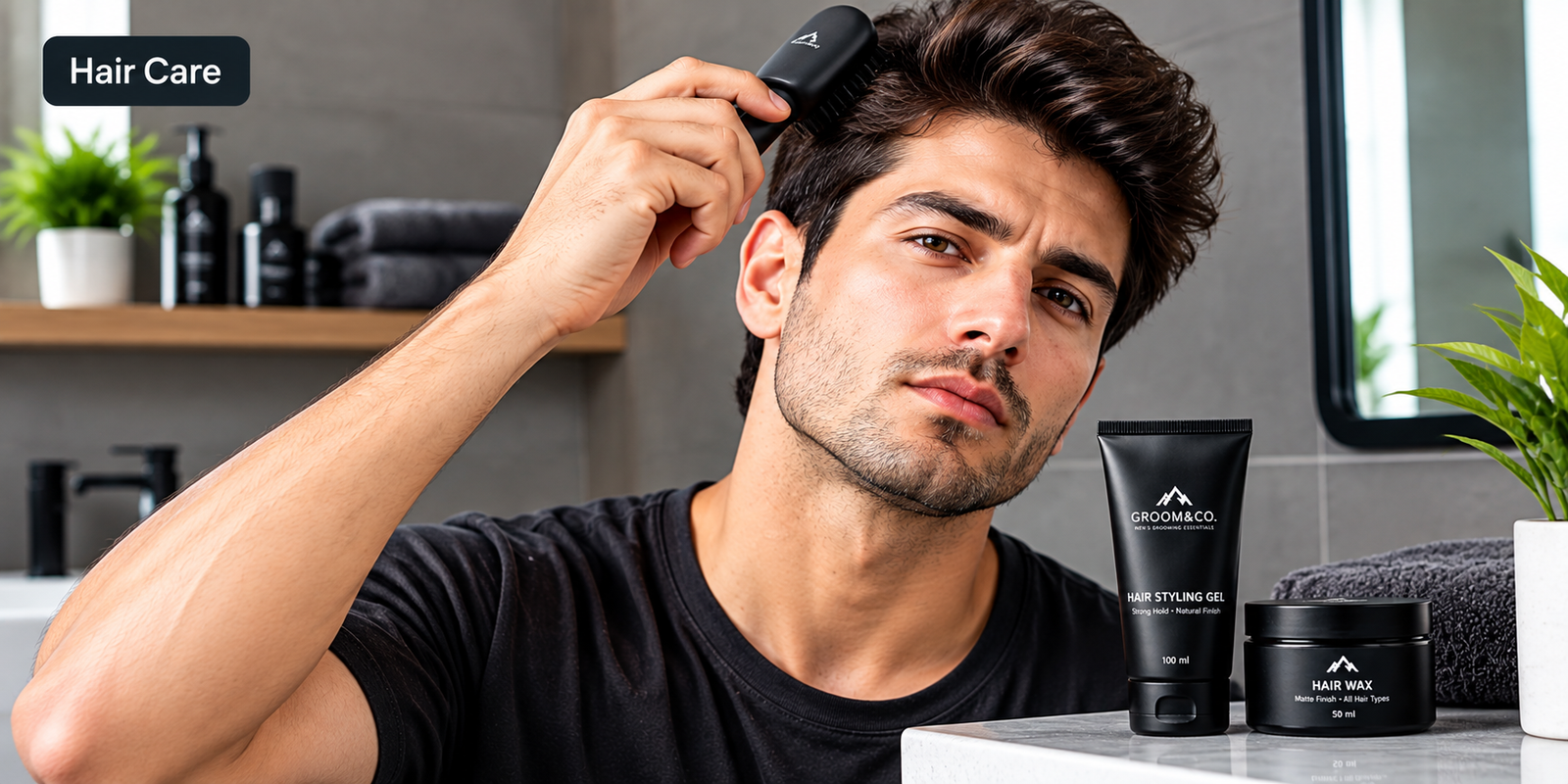
Hair problems rarely announce themselves at a convenient time.
Maybe your hair looked perfectly fine when you left home, but by afternoon it has lost its shape. Perhaps your scalp feels uncomfortable after wearing a helmet. Or you keep finding loose strands on your pillow and start wondering whether something is changing.
Most men don’t have a proper plan for these situations. We usually try whatever shampoo is available, copy a friend’s routine, or pick a product because the packaging promises thicker, cleaner, or stronger hair.That approach can get confusing quickly.Your scalp, hair texture, lifestyle, and styling habits all play a role. A routine that works for someone with short, oily hair may not work for someone with dry curls or a sensitive scalp.
So instead of chasing every new product, start with the basics.This guide looks at how to choose the best Men’s Hair Care shampoo , when conditioner is worth using, what to look for when dandruff becomes a problem, and which changes in hair density deserve professional attention.
The best Men’s Hair Care shampoo isn’t necessarily the most expensive one or the one with the longest ingredient list. Your scalp should make the decision.Pay attention to how your hair behaves between washes.
If your roots become greasy quickly, you may need a shampoo that handles excess oil and buildup. If your scalp feels uncomfortable or tight after washing, a gentler formula could be a better fit. People with sensitive scalps should also be careful with products that trigger burning or irritation.
Your routine outside the bathroom matters as well.Someone who exercises every morning, spends hours outdoors, or wears a helmet for a long commute will probably deal with more sweat and buildup than someone who works indoors all day.That doesn’t mean you should scrub harder.
Instead, find a washing schedule that leaves your scalp clean without making it feel stripped. Some people with oily scalps can comfortably wash every day, while dry or textured hair often benefits from less frequent washing.There isn’t one perfect schedule for everyone.
Shampoo cleans. Conditioner helps your hair behave better afterward.
That difference becomes obvious when your hair starts feeling rough, tangled, or difficult to comb. Shampoo removes oil and buildup, while conditioner helps smooth the surface of the hair and makes the strands easier to manage.this becomes particularly useful for men with medium-length, long, curly, or coarse hair.
Think about what happens when you wash your hair and skip conditioner for several days. Your hair may feel dry, catch on the comb, or become difficult to shape. You might then use more styling product to control it, which can create another layer of buildup.Using the best Men’s Hair Care shampoo and conditioner for men doesn’t mean buying a matching set from the same brand.
Choose each product according to what your scalp and hair actually need.Keep shampoo focused mainly on the scalp. Apply conditioner through the lengths and ends, especially where the hair feels dry.And don’t overdo it. A small amount can often cover the job.
Flakes don’t always mean you’ve done something wrong.
Dandruff is common, and simply washing your hair more aggressively won’t necessarily solve it. If you regularly notice flakes or an itchy scalp, check the active ingredients in the product you’re considering.Ingredients such as ketoconazole, selenium sulfide, and zinc pyrithione are commonly used in dandruff shampoos.The right choice depends on the product, your symptoms, and how your scalp responds.
One mistake worth avoiding is switching between several dandruff products every few days. Give a suitable product enough time to work and follow the instructions printed on the bottle.You should also avoid treating every scalp problem as dandruff.
If your scalp becomes very red, develops thick scales, feels painful, or continues to cause problems despite treatment, get professional advice. A dermatologist can determine whether you’re dealing with dandruff or another scalp condition.The best dandruff shampoo for men should solve a real scalp problem, not simply make your hair smell fresh.
Styling products aren’t automatically bad for your hair. The way you use them matters more.Start with a small amount of wax, clay, cream, or pomade. Work it through your hair and see whether you have enough hold. Adding more takes seconds; removing an excessive amount usually takes another wash.Heat also deserves some attention.
If you use a hair dryer, don’t keep it pressed close to one area for a long time. Moderate heat and some distance can make styling easier without unnecessarily stressing the hair.Then look at your hairstyle.
If you pull your hair backward tightly every day, keep the same tight ponytail, or regularly wear a style that puts pressure on your temples, your hairline can take repeated tension.Changing the hairstyle occasionally gives those areas a break.
Your routine should also include regular cleaning if you use styling products frequently. Product buildup can make the scalp feel uncomfortable and can leave hair looking dull.You don’t need to stop styling. Just don’t let styling become an excuse to ignore your scalp.
Finding a few hairs on your pillow isn’t enough to conclude that you’re losing your hair.Shedding happens naturally. The amount can change depending on your hair cycle, stress, recent illness, diet, medications, and other factors.The bigger clue is a noticeable change over time.
Maybe your temples look different in recent photographs. Perhaps your crown looks thinner under bright light. You might notice that your part has become wider or that your hair no longer feels as dense as it did a year ago.Those changes deserve more attention than counting individual strands.
If thinning continues, becomes obvious, or appears in patches, speak with a dermatologist. They can examine your scalp and look at the pattern of hair loss before suggesting treatment.
Some people with particular forms of hair loss may benefit from options such as minoxidil or finasteride, but these treatments don’t suit every cause of shedding. A professional should guide that decision.Don’t panic after one week of extra shedding. Look for a pattern that continues.
You don’t need a complicated routine to look after your hair.
Start with your scalp. Choose the best shampoo for men based on oiliness, dryness, sensitivity, and your lifestyle. Don’t automatically copy another person’s washing schedule.Take care of the lengths. If your hair feels rough or tangles easily, add conditioner. The best shampoo and conditioner for men routine should leave your scalp clean while keeping the lengths manageable.
Deal with dandruff properly. If regular washing doesn’t control recurring flakes, consider a product containing an appropriate active ingredient. The best dandruff shampoo for men isn’t about the strongest formula; it’s about using a suitable treatment consistently.Keep styling reasonable. Use less product, avoid excessive heat, and don’t keep your hair pulled tightly every day.
Watch for real changes. Normal shedding happens. Ongoing thinning, visible patches, or a changing hairline deserve a closer look.The best routine is the one that fits into your normal day. If it feels like another full-time job, you’re unlikely to maintain it.
Which is the best shampoo for men with a dry, itchy scalp?
Look for a gentle formula that cleans without leaving your scalp tight or uncomfortable. A fragrance-free option may suit sensitive skin better. Avoid very hot water and aggressive scrubbing. If the itching continues, especially with redness or heavy flaking, speak with a dermatologist.
Can I use the best shampoo and conditioner for men every day?
That depends on your scalp and hair type. Oily scalps may handle frequent washing, particularly if you exercise or sweat often. Dry, curly, or textured hair may need more time between washes. Keep shampoo on the scalp and conditioner mainly on the lengths.
Does the best hair shampoo for men need to be sulfate-free?
No. Sulfate-free isn’t automatically the right choice for everyone. Some people prefer these formulas because they can feel gentler on dry or sensitive hair and scalps. Instead of following a label trend, choose a shampoo that cleans effectively without leaving your scalp uncomfortable.
How long should I use the best dandruff shampoo for men?
Follow the instructions provided with the specific product. Medicated shampoos can have different directions for frequency and duration. Give the treatment enough time to work rather than changing products every few days. If flakes or irritation continue despite proper use, consult a dermatologist.
Is the best dandruff shampoo for men also good for hair fall?
Not usually. Dandruff shampoos target scalp flaking and related irritation, while hair loss can have completely different causes. Genetics, stress, illness, medications, and other factors can contribute to shedding. If you’re noticing persistent thinning, get the cause assessed before choosing a hair-loss treatment.