Address
304 North Cardinal
St. Dorchester Center, MA 02124
Work Hours
Monday to Friday: 7AM - 7PM
Weekend: 10AM - 5PM
Address
304 North Cardinal
St. Dorchester Center, MA 02124
Work Hours
Monday to Friday: 7AM - 7PM
Weekend: 10AM - 5PM
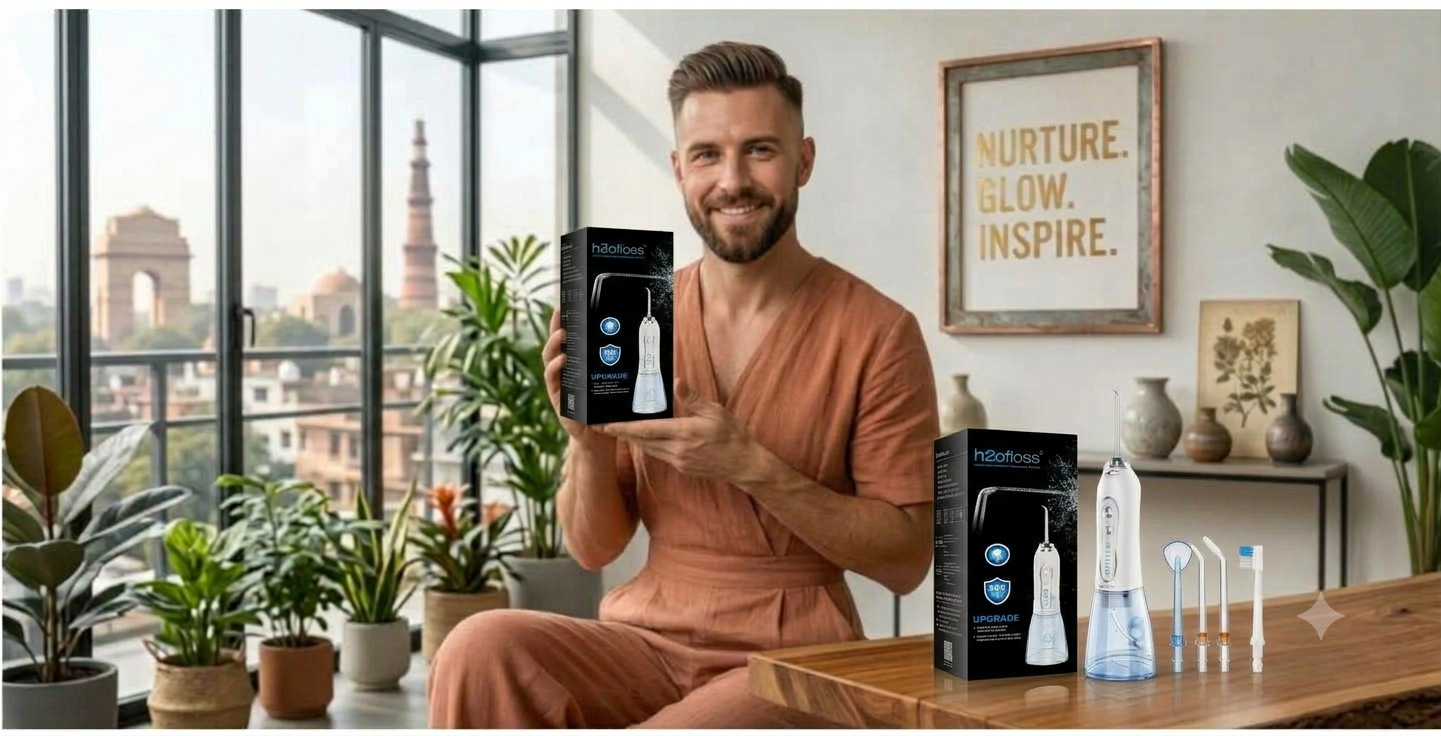
Most men notice their teeth only when something goes wrong: a sudden ache, a stain in photos, or breath that gives the game away. By then, the problem has usually been building for months.
Good Dental Care for Men starts with simple daily habits, the right oral care products, and a consistent routine. Regular brushing, flossing, and cleaning along the gumline help remove plaque, maintain healthy gums, and keep your breath fresh for a confident smile.
This guide covers the basics of cleaning, whitening and everyday oral care, plus how to choose a water flosser that suits your life.
For Dental Care for Men, start with what you do twice a day. Brush for two minutes using a soft-bristled toothbrush, and avoid scrubbing too hard. Brushing harder doesn’t clean better; it can wear down enamel and irritate your gums.
Next, focus on cleaning between your teeth with floss or interdental brushes. This important step helps remove plaque from areas your toothbrush cannot reach. If plaque hardens into tartar, professional dental cleaning is needed to remove it.
Small habits also make a difference in men’s dental care. Drink water after coffee, tea, or meals, and limit sugary snacks between meals. Avoid smoking and chewing tobacco to protect your teeth and gums.
Finally, schedule regular dental check-ups and professional cleanings as recommended by your dentist. Early detection of cavities and gum problems can help prevent more serious issues and keep your smile healthy.
The best water flosser is the one you will actually use every day, and that depends on a few practical things.Look at pressure settings first. A good unit lets you start gently and increase the pressure as your gums get used to it. Next, check the tank size. A larger tank covers your whole mouth without a refill, while a smaller one suits quick routines. Nozzle variety matters as well, especially if you have braces, implants or crowns.
Noise and cleanup are worth a thought. Some models are loud and splashy, and a flosser that annoys you ends up in a drawer. Also check how easy it is to clean, because water that sits inside a device for weeks can cause problems of its own.Finally, see whether the product carries approval from a recognized dental association in your country. It isn’t essential, but it’s a helpful sign that the claims have been looked at.
A teeth water flosser uses a thin, pulsing stream of water to flush out food and loosen plaque from between teeth and along the gumline. Think of it as a power wash for the spots your brush misses.Use it once a day, ideally at night, before or after brushing. Lean over the sink, place the tip in your mouth, and only then switch it on. Close your lips lightly so the water runs out into the basin instead of across your mirror. Trace along the gumline and pause briefly between each pair of teeth.
Start on a low setting. Your gums may bleed a little during the first week or two if they are inflamed, and this usually settles as they get healthier. If the bleeding continues, or you feel pain, speak to your dentist rather than ignoring it.One honest note: a water flosser works alongside brushing, not instead of it. Think of it as a partner to your toothbrush, not a replacement.
A best portable water flosser makes sense if you travel often, stay in hostels or hotels, or simply have a small bathroom with no counter space.
Portable models are compact and cordless, and they usually charge through a USB cable. The trade-off is a smaller water tank and slightly less power than a countertop unit. For a daily routine at home, a full-size model often does a more thorough job. For trips, a portable one keeps your habit going.
When choosing, check battery life, tank capacity and whether the unit is splash-resistant. A folding or collapsible design is handy for a gym bag or carry-on. Also confirm that the nozzle is easy to replace, since you will need fresh tips every few months.
If you want only one device, think about where you will use it most. Home use points to a countertop model. Frequent travel points to a portable one.
A water jet teeth cleaner can be especially useful for people who find string floss fiddly or uncomfortable.It tends to help men who wear braces, retainers or bridges, where thread floss struggles to get around the hardware. It can also suit people with crowded teeth, sensitive gums or limited hand dexterity.
That said, it isn’t magic. It removes food debris and loosens soft plaque, but a toothbrush is still needed to wipe away the sticky film on the tooth surface. And if you already floss well with string, you don’t need to switch. The best method is the one you will do consistently.
Keep the device clean. Empty the tank after use, let it dry, and follow the maker’s instructions for descaling if you live in a hard-water area.
When it comes to Dental Care for Men, teeth whitening is one of the most common concerns. Everyday stains from coffee, tea, red wine, and tobacco often respond well to professional cleaning and whitening toothpaste used as directed. Deeper discoloration may require professional whitening, and results can vary from person to person.
If you use over-the-counter whitening strips or gels, follow the instructions carefully. Overuse can cause tooth sensitivity and gum irritation. Fillings, crowns, and veneers do not whiten like natural teeth, so consult your dentist before starting treatment if you have any.
Remember, healthy teeth are the foundation of a confident smile. As part of your men’s dental care routine, keeping your teeth clean and your gums healthy can make a noticeable difference without relying on excessive whitening products.
Here is a routine most people can keep up without much effort:
Neither is better for everyone. A water flosser is easier and more comfortable for many people, especially those with braces or sensitive gums. String floss is excellent when used well. Choose the one you will use daily.
No. A water flosser clears debris and loosens plaque between teeth, but brushing is still needed to clean the tooth surfaces. Use them together.
Once a day is enough for most people, preferably at night. Use it more often only if your dentist advises it.
Gums that are inflamed from built-up plaque often bleed when they are first cleaned properly. This commonly settles within a couple of weeks. If it doesn’t, or you feel pain, see your dentist.
A portable unit works well for daily cleaning and travel, though it usually has a smaller tank and less power. For home use, many people prefer a countertop model.
Used as directed, most products are considered safe, but overuse can cause sensitivity and gum irritation. Ask your dentist which option suits you, particularly if you have fillings, crowns or very sensitive teeth.